Table of Content
They can be grown indoors or outdoors, and they need little care once they have established themselves. However, you will need to water them regularly and fertilize them occasionally. You can also protect them from the sun by shielding them with a shelter when necessary. The curry leaves are a herb found in India, Burma, Malaysia, Sri Lanka and Thailand, and are used extensively in South Asian and Thai cooking. These leaves are called Kari kapra in Hindi and have a pungent, acrid, aromatic taste.
If we take care of all these there are chances your stem will root and can transfer to the container later. Propagating through stems and leaves is one of the quite easy and effective ways to grow the curry leaves plant. It just needs the right soil, light, and some other care at the start.
A Simple Guide to Buckwheat Farming
At that point, you can harden it off outside as long as nighttime temperatures are above 40°F. The goal is to encourage the plant to become bushy with lots of offshoots rather than spindly and tall. Remove the hard outer shells by rubbing the seeds, which are actually the pits of the berries, between your hands. If that doesn’t work, put the seeds in a plastic bag and roll a rolling pin over them. The seeds are poisonous, but the berries are used in Yunani, Ayurvedic, and homeopathic medicine. And during the summer, it features tubular white flowers that are incredibly fragrant, with a sweet, citrus-like scent.
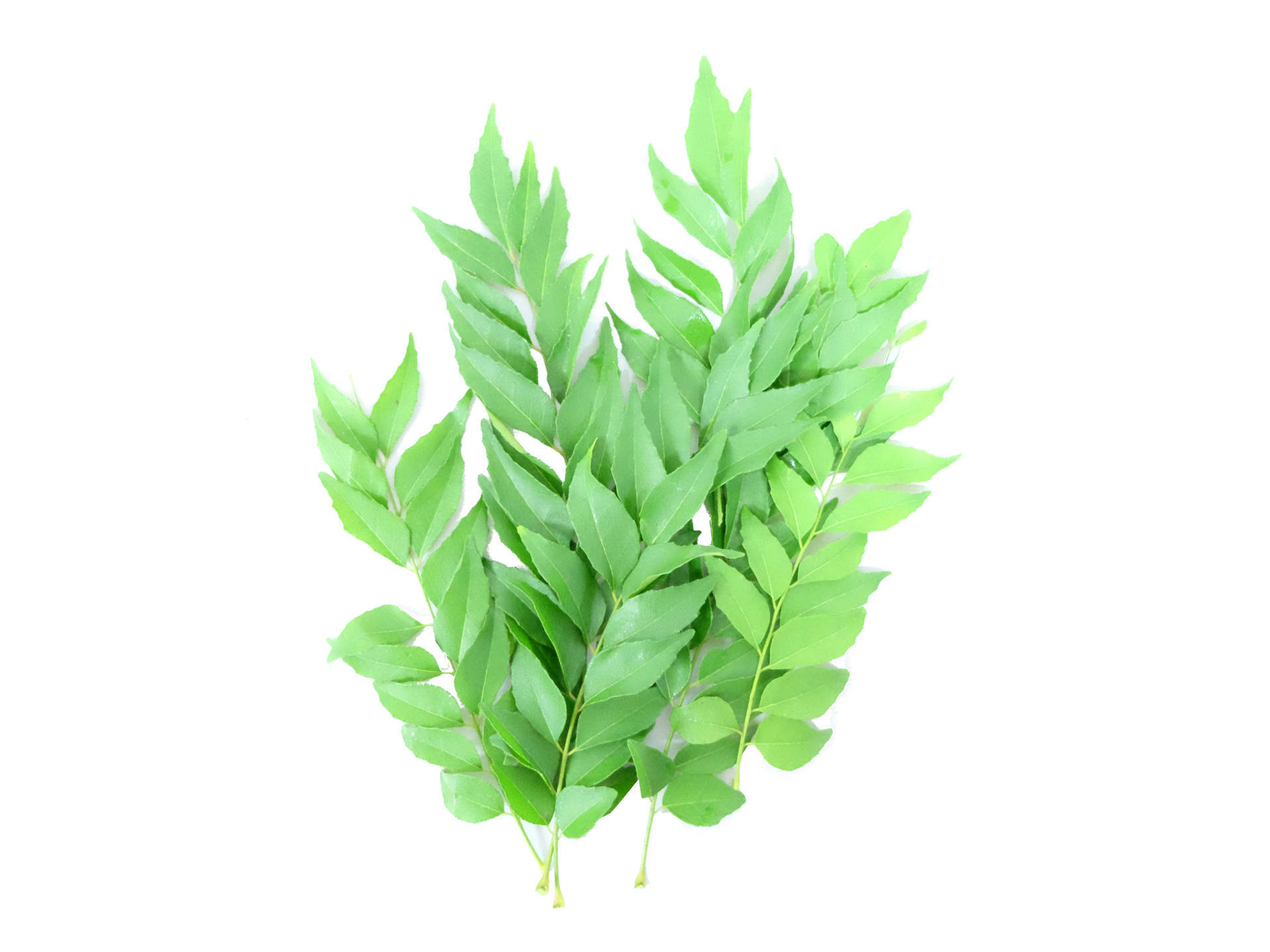
The seed will grow if you keep the planting in a warm, bright place. It is common for curry leaf tree seedlings to be 100% germinating. You can also plant them in pots or pots with holes in them. Treat the leaves as a cutting and put them in a soilless medium. Take a piece of the stem from the tree and cut it into smaller pieces. Place the pieces in a pot and cover them with water.
Lychee Fruit Cultivation Information Guide
It has a graceful, open growth pattern that makes it attractive in an ornamental garden. The plant features showy white flowers in early summer, and dark, sweet, shiny fruits that form in July and August. For those gardeners who don’t live in tropical areas, this is one plant that is happy to grow in a container indoors – and outdoors at certain times of the year.
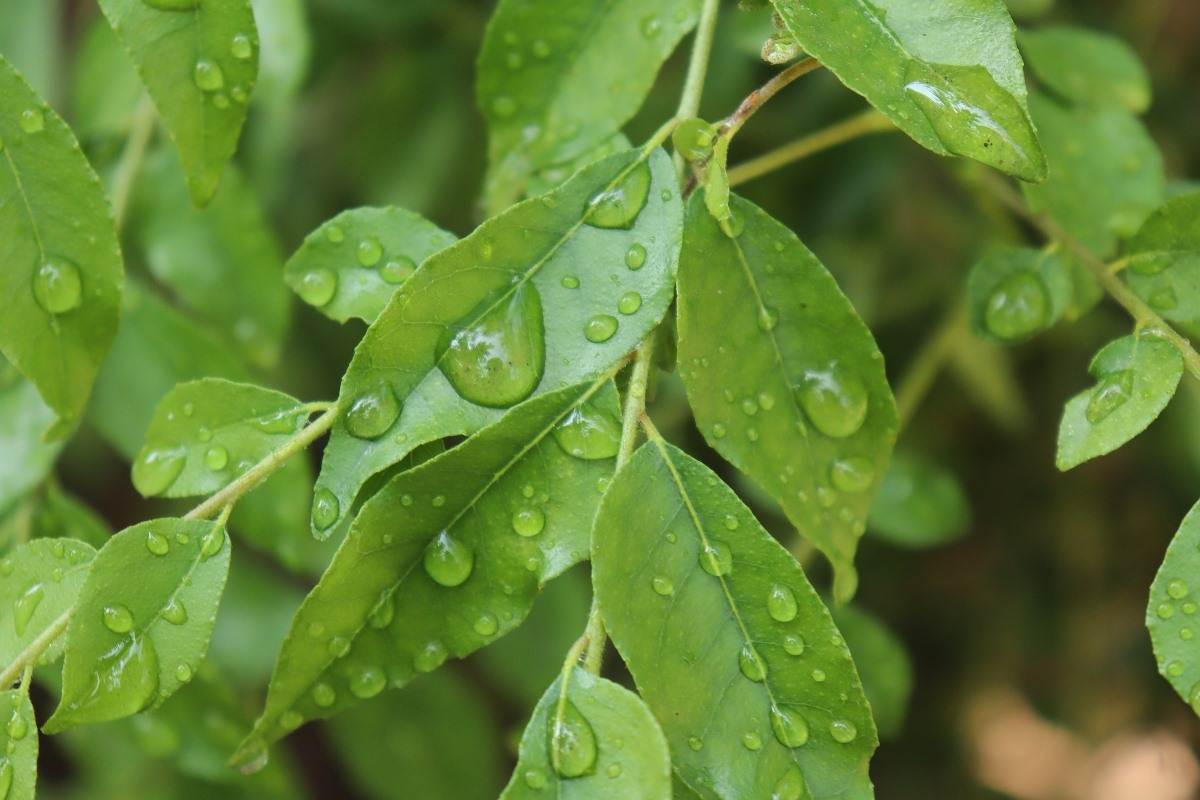
These days, it’s cultivated commercially in Sri Lanka and other parts of southeast Asia, Australia, and the Pacific Islands. It has been used by the ancient Indian sages to improve concentration, promote memory, and cure nervous disorders. She founded Gaia's Farm and Gardens, a working sustainable permaculture farm, and writes for Gaia Grows, a local newspaper column. She has over 30 years of experience in gardening and sustainable farming.
Start your fat to fit journey with FITELO
Continue spraying the plant with Neem oil insecticide spray every 15 days. Do not spray Neem Oil on the day when the temperature is expected to go beyond 90F. Unless absolutely necessary, avoid changing the pot and soil during summer months. Don’t forget to water thoroughly after transplanting or replenishing the soil. One of the most common reasons the Curry Leaf Plant dies for first-time owners is due to over-watering.

The ideal mixture of soil and manure is equally essential because that can increase the overall yield of the plant. They can be watered once or twice in 3 weeks till they grow to full height, which usually takes at least two years. Then place them on a baking sheet and put them in a cool, dark place.They should be dry in a few days. Once dry, store the leaves in an airtight container. Curry leaves can be used fresh or dried and are often added at the beginning of cooking so that their flavor has time to infuse the dish. The main use for curry leaves is, of course, in cooking.They’re used extensively in Indian cuisine and impart a unique flavor to dishes.
Until you’ve popped a fresh leaf in your mouth to experience the crispy green burst of citrus, you don’t know what you’re missing. In fact, it promotes bushier growth that will allow you to harvest leaves regularly in the future. Also, don’t overcrowd your plants, and keep them pruned to promote air circulation. This bug is about a tenth of an inch long with a reddish-brown color. Nymphs look similar to scale, another common plant pest.

The new buds will get developed after 10 to 12 days. Pots need to be in shade for some weeks to make sure the roots are intact firmly. One other quality of curry leaves is that it’s antioxidant.
Hence, all the contributing factors responsible for the growth of a curry plant are to be taken care of. The curry leaf plant, Murraya koenigii, is a tropical tree native to India and Sri Lanka. It’s part of the Rutaceae family, which also includes citrus plants.
Also, we will discuss how we can help you achieve your weight loss goals. However, you can freeze the fresh leaves in the refrigerator for 2 weeks. Yes, curry leaves can be used as medicine also, know-how. However, eating curry leaves also prevents constipation and other stomach ailments. “The soil inside the pot also needs to be shuffled every few weeks,” Rachana said. The expert added that it is best to keep adding nutrition to the plant each month by adding cow dung, vermicompost, mustard or Neem biowaste.
Once they do, you should water them only when the soil dries out completely. Keep the plants well-maintained by weeding and watering regularly. Dwarf and Gamthi varieties are small enough to be grown in containers. For both types, use containers with large drainage holes and a light potting mix. Plant dwarf curry trees in a five-gallon container and when it starts to outgrow its container, repot it in the spring. Because the Gamthi curry plant grows so slowly, it might be fine in the container in which you purchased it for at least a year or so and won't need repotting.

While there is another way too, it can be propagated from its leaves. Which is quite easy to do and takes less time to grow. Assuming you would like tips on when to plant curry leaves in the USA, late spring or early summer is typically the best time. This allows the plant ample time to grow and establish itself before colder weather sets in. Keep in mind that curry leaves are tropical plants, so they prefer warm weather and lots of sunshine.




No comments:
Post a Comment