Table Of Content
Women may notice that their part is becoming wider or that their scalp is more visible. Telogen effluvium is a type of hair loss that involves rapid hair shedding over a short period. It typically happens a few months after your body goes through something physically or emotionally stressful. Hair loss due to telogen effluvium is usually temporary.

Drugs & Supplements
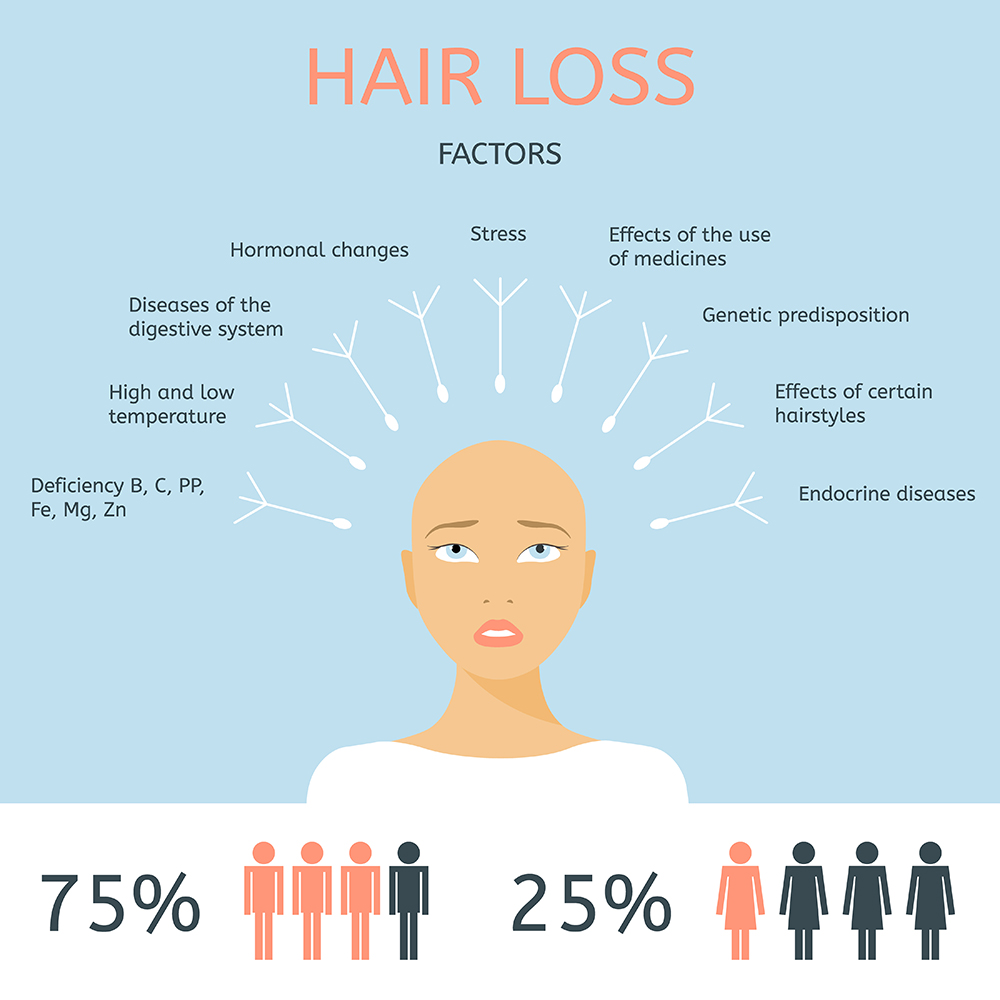
It's typical to lose some hair every day as part of your hair’s usual growth cycle. For most people, the lost hair grows back, and you maintain a full head of hair. But illness, hormonal changes, stress, aging and inherited conditions can interfere with your hair’s growth cycle.
Frequently asked questions
If you have hair loss due to stress or hormone changes like pregnancy, you may not need treatment. “For sensitive or acne-prone skin, either frequent pillowcase changes or wearing a hair bonnet after serum application may be helpful,” she says. But these do take longer to work, as supplements “must first be metabolized by the body and dispersed by the bloodstream to be beneficial,” says Dr. Shaver. And oral supplements may have more systemic side effects and interactions with other medications, so it’s especially important to check with your doctor before taking a supplement.
What is the normal hair growth cycle?
Mending 'crowns': How a Dallas hair stylist is fostering hope for Black women with alopecia - The 19th*
Mending 'crowns': How a Dallas hair stylist is fostering hope for Black women with alopecia.
Posted: Tue, 06 Feb 2024 08:00:00 GMT [source]
It’s common to lose around 100 hairs per day because of the typical growth cycle. If you’re losing more than that, talk with a doctor to rule out any underlying medical conditions before exploring your options. You might notice periods of stability followed by more rapid hair loss phases. And the earlier you experience female pattern baldness, the quicker it may progress. You’re more likely to develop female pattern baldness if your biological parents or other close genetic relatives have experienced hair loss. If you have female pattern baldness, you may be able to camouflage the hair loss at first by adopting a new hairstyle.
How to Stop Receding Hairline: 12 Home and Medical Remedies - Medical News Today
How to Stop Receding Hairline: 12 Home and Medical Remedies.
Posted: Fri, 24 Nov 2023 08:00:00 GMT [source]
Your hair can regain its usual fullness 6 to 9 months after childbirth. It's most often temporary, but sometimes it can last for months or years. But you may start to notice it as early as your late teens -- and the earlier it starts, the more serious it tends to be. Hormone changes during menopause can also contribute to this type of baldness. A typical hair transplant involves removing patches of hair from your head and reinserting the hair follicle by follicle into the bald sections.
A dermatologist can help you understand if you have hair loss, excessive hair shedding, or both, and help you identify possible causes. Taking steps to minimize and navigate stress before it overwhelms you could help lower your chances of experiencing physical side effects, like hair loss. One group included 43 people who took cystine and vitamin B6. You can only receive PRP therapy from a healthcare professional. Anthralin topical cream (Dithralin), originally used as a treatment for psoriasis, may also prove effective for the treatment of mild alopecia areata. Topical tretinoin (Retin-A) is sometimes used in combination with minoxidil to treat androgenic alopecia.
Stopping hair loss indefinitely depends upon the underlying cause. As a general rule, the sooner you treat hair loss, the more likely you will be able to reverse or reduce the rate of hair loss. Any information you can provide about how quickly the hair loss occurred, along with any family history of baldness, will also be helpful. It’s also the most common cause of hair loss, affecting up to 50% of people. It’s typical to lose between 50 and 100 hairs a day, according to the American Academy of Dermatology (AAD).
As a result, hair doesn’t grow as long or thick as it normally would. Some women may even notice hair growth changes after going off hormonal birth control pills. Hormonal changes of any kind, particularly falling estrogen levels, can temporarily disrupt the hair life cycle. These changes happen due to varying levels of hormones during menopause. Meanwhile, “the goal of a serum is to target the hair follicle directly by delivering compounds that may allow for improved or optimal hair growth,” says Dr. Mirmirani. These ingredients are those that aren’t typically found in the diet, such as minoxidil and plant-based compounds.
What treatments are available?
If you often wear a hairstyle like braids or a tight bun that puts prolonged strain or stress on the hair follicle, that can cause a type of permanent hair loss called traction alopecia. Female pattern baldness doesn’t affect your physical health. But it can affect you psychosocially (how society and social groups affect your thoughts and emotions). It can also affect you psychologically (how you think about yourself and your behavior).
Many start to notice the early stages of female pattern baldness after menopause. Whether you decide to take the OTC route or consult with a dermatologist, the AAD stresses that hair loss is complex and there’s no one-size-fits-all regimen. Even if your hair loss is hereditary, there are treatments that exist that can help slow or reverse hair loss. If possible, talk with your doctor to address your concerns and rule out any serious underlying medical concerns that may be causing your hair loss. Spironolactone is another medication your doctor may prescribe for hair regrowth and to keep hair loss from getting worse. It’s important to talk to your healthcare provider before starting any form of treatment for hair loss.
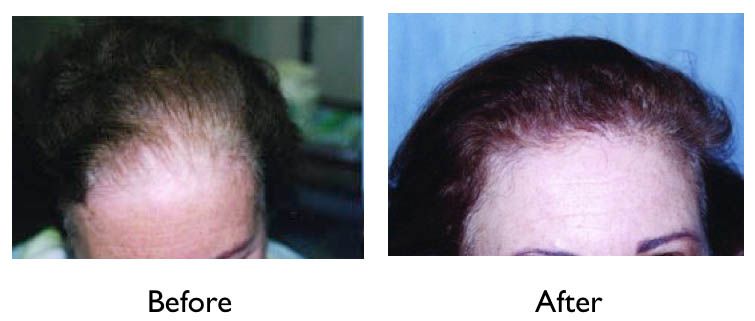
As it grows, the old telogen hair is dislodged or pushed out. Female pattern baldness begins in the top-middle portion of your head. This falls around your center part, which is a natural line between the right and left sides of your hair.
Female pattern baldness is a common condition that affects many women and people assigned female at birth after menopause. Many people with female pattern baldness accept it as part of the aging process and don’t see a healthcare provider. Reach out to your healthcare provider as soon as you notice signs of female pattern baldness, especially if it causes stress, anxiety or depression. Medications and treatments are available that can stop or reverse female pattern baldness. The type and severity of hair loss you experience may determine the outcome (prognosis). Some types of hair loss are permanent, especially if you have damage to your hair follicles.
Some types of treatment aren’t safe to use if you’re pregnant, planning on becoming pregnant or going through menopause. While many products do provide applicator nozzles that reach through the hair, some droppers aren’t as precise. It can affect people of any age and may come and go unpredictably. On the whole, it’s important that you speak with your doctor about any symptoms you’re experiencing. A dermatologist can provide a proper diagnosis, and select a personalized treatment that will help restore health to you hair and scalp.