Table of Content
If you live in an area with climate zones 9-12 or the temperature doesn’t fall below 32 °F (0 °C), you can put your curry leaf plant directly in the ground. Make sure to amend the soil so it has the proper nutrients. The tree should be grown in rich, well-drained soil in full sunlight or partial shade. If it is grown outdoor, it should be located in an area that does not receive a lot of wind. It is a good idea to fertilize your plant every two weeks with a balanced fertilizer, such as Miracle-Gro, or a high-nitrogen/low-phosphorus fertilizer. You can also add a small amount of compost to the soil to help prevent root rot.
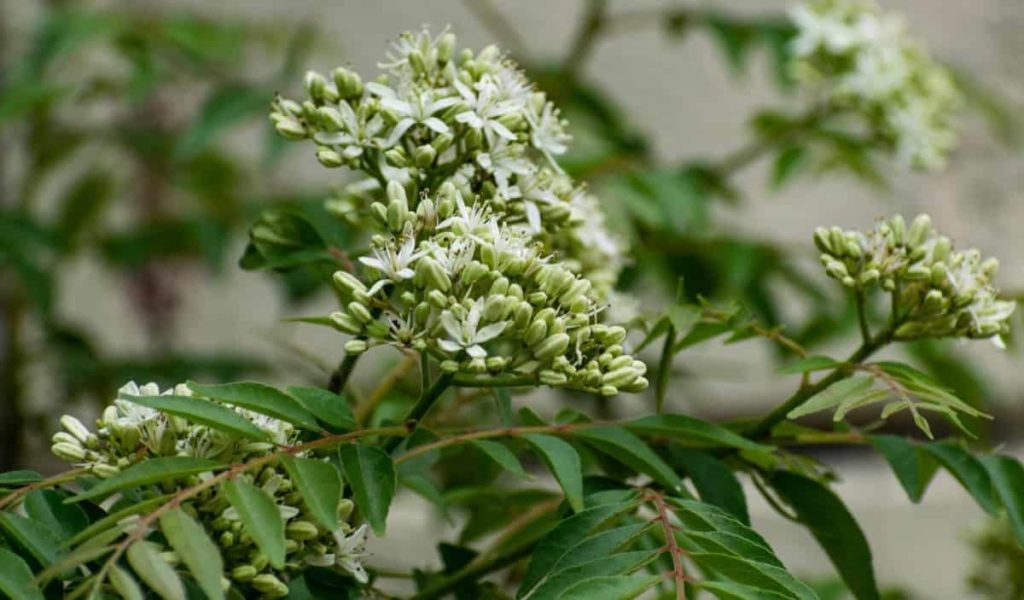
If you live in a colder climate, you can grow your plants indoors near a sunny window. Second, the soil should be well-drained and rich in organic matter. You can add some compost or manure to the soil before planting. To grow curry leaves faster prepare fertilizer by dissolving 1 teas spoon of Epsom salt in 1 liter of water and feed.
Top 31 Vegetable Garden Ideas at Home: Check How this Guide Helps Beginners
Curry leaves have a great aroma, which will always be a special ingredient for your food. The Black cherry or prunus serotina tree is native to North America and grows well in the US Department of Agriculture hardiness zone 2a to 8a. Black Cherry fruit is known for its bitter taste,... This rooting hormone powder helps in the stimulation of the growth to the root and helps in natural growth as the rooting hormone contains synthetic auxins.
These snowy white plants look very pretty when used as a decorative element but they are not the perfect choice as per vastu. These plants are inauspicious and bring bad luck when placed indoors. Your search to find the right guidance to be a part of all those fat-to-fit stories ends here. So,contact us todayif you are looking for a diet plan with cheat meals.
Prawn Cultivation – A Complete Guide For Beginners
The process of re-potting is done repetitively till the plant stops growing, and it is then that the curry plant starts to yield. The primary reason for this is the length of the curry plant roots is considerable and cannot be contained in a small pot, thereby needing re-potting. Curry plants grow best in dry soils which do not retain water for longer durations. While growing curry plants in open locations, one has to ensure that the wind flow is not too hard, or the plant may not yield as much as expected. Curry plants grow best when planted during Spring, which is usually during February in India and November in the US. This is due to the growth duration of the curry plant.

At least one-third of the stake should be inserted into the ground for stability. If you live in a windy area, you may want to stake your plant to keep it from bending or breaking in strong gusts of wind. This is recommended for any plant that is taller than about two feet.
Where do curry leaf trees grow?
Cut back on watering and wait for the leaves to grow back if you have a Curry Leaf plant that only has a bare stem. If you are growing the plant in the ground, you will want to make sure that it gets a good amount of light so that the roots can grow. The plant will also need a lot of water to keep it healthy and strong. To grow lush green leaves, curry leaf plant needs more amount of Nitrogen. Fish emulsion has high Nitrogen value but also contains some amount of Phosphorus and Potassium. It can be used to fertilize the leaves of the plant.
Growing from seed have more success rate compared to growing curry leaf from the stem. Mild fertilizers like nitrogen are good for the curry leaves plants. Don’t use any strong fertilizers because it will result in burnt roots of the plant.
How to Grow and Care for Curry Trees
Let me know in the comments are able to grow curry leaves plant faster and bushier. You can use Buttermilk as fertilizer, diluted curd is said to be the best homemade fertilizer for curry leaf plants. Apply fertilizer to curry leaves plant every 3rd to 4th week with a liquid fertilizer for growing more leaves. To get better results for the fastest growth using the stem is to place the curry leaf stem cuttings into the rooting hormone powder. If you have got more leaves than you need you can dry them and can use them later for a long time.
Use insecticidal soap to control their populations. These will attack and trap flying insects such as Fungus Gnats and White flies. If the bug infestation does occur on the plant, other remedies may need to be applied to eliminate the bugs. Curry leaves are used widely in several food preparations as well as herbal remedies. This will help the plant to stay in a resting state. Home fertilizers like diluted curd or buttermilk can be used as fertilizers to germinate the seed properly.
It is resistant to most pests and diseases that can take down other plants. Gamthi varieties grow the slowest and have thick, highly fragrant leaves. If you want a plant to grow in a container indoors that you can also harvest leaves from to use as an herb in your cooking, I’d recommend this one. There are three sizes of curry leaf trees commonly available, referred to botanically as “morphotypes,” with several different cultivars of the standard size.

Freeze the curry leaves to save them if you want to preserve them for a month or longer. Now you can use it as food efficiently and effectively. It is important to watch because excess watering can damage the plant. So, use your finger to check the moisture of the soil.




No comments:
Post a Comment